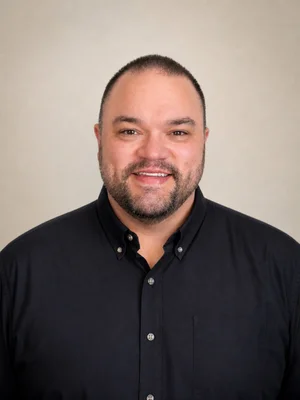
Every Sunday evening I give myself a shot.
It’s an auto-injector, so there’s no real drama to it — I barely feel the needle. A few seconds, a click, and it’s done. That’s Zepbound, and at my current 5mg does it has been, without question, the easiest GLP-1 medication I’ve ever taken.
I want to be specific about that, because if you’ve spent any time in weight loss circles you’ve heard the horror stories, and I lived a few of them myself. Years ago I tried Ozempic and Wegovy. The gastrointestinal fireworks were real. The nausea was real. The sulfuric burps — anyone who knows, knows — were very real.
Zepbound has been a different experience entirely. No GI fireworks. No real nausea. None of the side effects that made the older medications feel like a tradeoff I wasn’t sure was worth it.
What it does instead is quiet the noise.
The appetite suppression at 5mg is noticeable but not overbearing. I still get hungry. I still grab the occasional snack to get me through. The difference is that I can have that snack without it spiraling into derailing my entire day, because the relentless background hum of food noise — the constant low-grade thinking about what’s next to eat — has gotten quiet. Especially around sweets. I genuinely don’t crave sugary things anymore. At all. For someone with my history, that’s not a small thing. That’s enormous.
Practically, it lets me front-load my day. I get most of my calories and protein in at breakfast and lunch, when my body actually wants them. And dinner — dinner is where the medication really earns its place. Dinner used to be where I derailed. The whole day could go well and then fall apart at the dinner table. Now I take a few bites and I’m full. The meal that used to undo me is the one Zepbound handles best.
I get the medication through the same clinic that performed my original gastric bypass. My surgeon has since moved on, so now I see a nurse practitioner every two to three months. I’ve come to genuinely value those appointments. Every visit includes an InBody scan — body weight, muscle mass, body fat percentage, a whole battery of data points I get to take home and track over time. I show up to those appointments prepared, with actual questions: what my real daily calorie target should be versus what the apps calculate (2,600, for the record), how much protein I actually need to build and preserve muscle in a deficit (150 grams minimum). My NP and I talk about what’s coming next in the field — new peptides being tested, where the science is headed.
I track everything. And I mean everything.
I weigh in daily. I take my blood pressure twice a day. I log every lift in an app called Hevy. I screenshot my Apple Fitness summaries. And then I feed all of it into AI, which analyzes the data, flags trends, tells me what I need to pay attention to, and even suggests course corrections.
My therapist worried that daily weigh-ins would feed my anxiety. It was a reasonable concern given everything else we’ve worked on. But for whatever reason, it doesn’t. I’ve come to enjoy watching the small daily fluctuations. I like seeing the line trend down over time even when a single day ticks up. When the scale goes up for a day, I chalk it up to water or digestion and move on. The number stopped having emotional power over me somewhere around February. It’s just data now. And data, I can work with.
But here’s the thing I most want anyone reading this to understand — whether you’re considering Zepbound, weight loss surgery, a clinic, or anything else:
None of it is a magic bullet. All of it is a tool.
My gastric bypass was a tool. A huge one — it changed my anatomy so I no longer have the capacity for the volume of calories I once did. But it was just a piece of the strategy, and I learned the hard way what happens when you treat a single tool like the whole solution. Zepbound is a tool. It quiets the food noise that surgery alone didn’t touch. Resistance training is a tool. Cardio is a tool. The weight loss clinic is a tool. Therapy is a tool. The data tracking is a tool.
Writing this blog is a tool.
The mistake I made the first time around was believing the surgery would save me. It wouldn’t, and it didn’t, because no single tool can. What actually works — what’s working now — is assembling a whole toolbox and learning to use every tool in it together. The surgery and the medication and the gym and the therapy and the data and the writing, all pulling in the same direction.
Nobody is coming to save you. I wrote that a few posts ago and I meant it. But here’s the hopeful version of the same idea:
You can build yourself a hell of a toolbox. And then you can save yourself.